When it comes to selecting the right air conditioning system for your home, understanding your specific cooling needs is paramount. Each household is unique, influenced by factors such as climate, the size of your living space, and personal preferences. For instance, a family residing in a hot and humid region will have different requirements compared to those living in a temperate area. This initial assessment is crucial as it lays the groundwork for making an informed decision about which type of AC system will best suit your lifestyle and environment.To begin with, consider the climate in your area.
If you experience long, sweltering summers, investing in a robust air conditioning system that can handle high temperatures is essential. Conversely, if your climate is milder, you might find that a less powerful unit suffices. Additionally, the size of your home plays a significant role in determining the appropriate cooling capacity. A larger home may require multiple units or a central air conditioning system to ensure even cooling throughout.Moreover, personal preferences cannot be overlooked.
Some individuals prioritize energy efficiency and eco-friendliness, while others may focus on features like smart technology or noise levels. Understanding these preferences will help you narrow down your options and choose an AC system that not only meets your cooling needs but also aligns with your lifestyle. By taking the time to evaluate these factors, you set yourself up for success in selecting an air conditioning solution that will keep your home comfortable during the hottest months of the year.
Types of Air Conditioning Systems
When it comes to selecting an air conditioning system for your home, understanding the different types available is crucial. Each type of air conditioning system has its own unique features, benefits, and ideal use cases.Below, we explore the most common types of AC systems to help you make an informed decision.
Central Air Conditioning
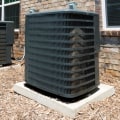
Central air conditioning systems are designed to cool an entire home efficiently. They work by circulating cool air through a system of ducts that distribute the air to various rooms. This type of system is particularly effective for larger homes or those located in regions with extreme heat.- Benefits: Central AC systems provide consistent cooling throughout the home, which can enhance comfort levels significantly. They also tend to be quieter than window units since the compressor is located outside.
- Ideal Use Cases: If you live in a hot climate and have a larger home, central air conditioning is often the best choice.
It’s also suitable for homes with existing ductwork.
Ductless Mini-Split Systems
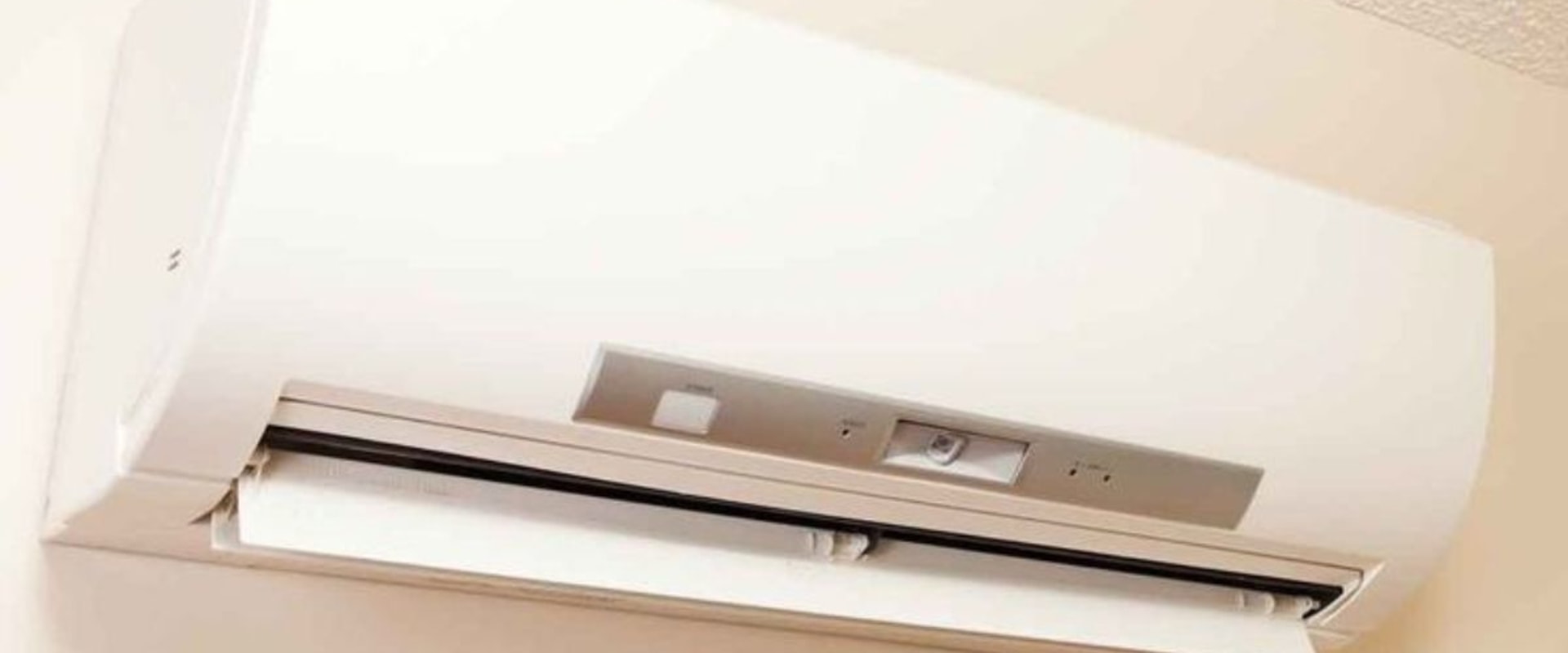
Ductless mini-split systems are becoming increasingly popular due to their energy efficiency and flexibility. These systems consist of an outdoor compressor and one or more indoor units that can be mounted on walls or ceilings.- Benefits: Ductless units do not require ductwork, making them ideal for older homes or spaces where installing ducts is impractical. They allow for zoned cooling, meaning you can control the temperature in individual rooms.
- Ideal Use Cases: Ductless systems are perfect for homes without existing ductwork or for additions where extending ductwork would be costly.
Window Air Conditioners
Window air conditioners are compact units that fit into a window frame. They are a popular choice for apartments and smaller homes due to their affordability and ease of installation.- Benefits: Window units are generally less expensive than central or ductless systems and can be installed without professional help.
They are also portable, allowing you to move them from room to room as needed.
- Ideal Use Cases: If you live in a smaller space or need a temporary cooling solution, window air conditioners can be an effective option.
Portable Air Conditioners
Portable air conditioners offer flexibility and convenience, as they can be moved from room to room easily. These units typically come with a hose that vents hot air outside through a window.- Benefits: Portable ACs do not require permanent installation and can be used in various locations within your home. They are ideal for renters or those who want a temporary cooling solution.
- Ideal Use Cases: If you need cooling in specific areas of your home without committing to a permanent installation, portable air conditioners are an excellent choice.
Ductless Air Conditioning Systems: Efficiency and Flexibility
Ductless air conditioning systems, also known as mini-split systems, have gained popularity in recent years due to their remarkable energy efficiency and flexibility.These systems consist of an outdoor compressor unit and one or more indoor air-handling units, allowing for targeted cooling in specific areas of your home.
Benefits of Ductless Units
- Energy Efficiency: Ductless systems are designed to minimize energy loss, which is a common issue with traditional ducted systems. According to the U. S. Department of Energy, duct losses can account for more than 30% of energy consumption for space conditioning.
Ductless units eliminate this problem by delivering cooled air directly to the living space.
- Flexible Installation: One of the standout features of ductless AC systems is their ease of installation. They do not require extensive ductwork, making them ideal for homes without existing ducts or for renovations where adding ducts would be impractical. The indoor units can be mounted on walls, ceilings, or even recessed into walls, providing various aesthetic options.
- Zone Control: Ductless systems allow homeowners to create different temperature zones within their homes. This means you can cool only the rooms that are in use, leading to significant energy savings and increased comfort.
- Improved Air Quality: Many ductless systems come equipped with advanced filtration systems that help reduce allergens and pollutants in the air, contributing to a healthier indoor environment.
Cost Considerations
While the initial investment for a ductless system may be higher than traditional window units or portable air conditioners, the long-term savings on energy bills can make them a cost-effective choice.
Additionally, many manufacturers offer models that qualify for energy efficiency rebates, further offsetting installation costs.
Maintenance Tips
To ensure your ductless system operates efficiently and lasts for many years, regular maintenance is essential. Here are some tips:
- Clean or replace filters: Check the filters monthly and clean or replace them as needed to maintain optimal airflow and efficiency.
- Inspect the outdoor unit: Keep the area around the outdoor compressor clear of debris and vegetation to ensure proper airflow.
- Schedule professional maintenance: Have a qualified technician inspect your system annually to check for any potential issues and perform necessary repairs.
Central Air Conditioning: The Whole-House Solution
When it comes to cooling larger homes, central air conditioning systems stand out as a comprehensive solution. These systems are designed to cool an entire house efficiently, making them ideal for families living in regions with high temperatures.Unlike window units or portable air conditioners, which only target specific areas, central AC systems distribute cool air through a network of ducts, ensuring that every room maintains a consistent and comfortable temperature.One of the primary benefits of central AC is its ability to provide uniform cooling throughout the home. This is particularly advantageous in multi-story houses where temperature variations can be significant. With a central system, you can set a single thermostat to control the temperature across all rooms, eliminating the need for multiple units and reducing energy consumption.In addition to comfort, central air conditioning can also enhance indoor air quality. These systems typically include filters that trap dust, allergens, and other pollutants, circulating cleaner air throughout your home.
This is especially beneficial for individuals with allergies or respiratory issues.However, the installation of a central AC system does come with its challenges and costs. The initial investment can be substantial, often ranging from $3,000 to $7,000 or more, depending on the size of your home and the complexity of the installation. This cost includes not only the unit itself but also the necessary ductwork and labor. If your home does not already have ducts in place, retrofitting can significantly increase expenses.Moreover, while central AC systems are efficient for larger spaces, they may not be the best choice for smaller homes or apartments where cooling needs are minimal.
In such cases, homeowners might find that smaller units suffice and are more cost-effective.Another consideration is maintenance. Central air conditioning systems require regular upkeep to ensure optimal performance. This includes changing filters every few months and scheduling annual professional inspections to check for any potential issues.In summary, while central air conditioning systems offer numerous advantages for cooling larger homes effectively and improving indoor air quality, potential buyers should weigh these benefits against installation costs and maintenance requirements. Consulting with a reputable AC company can provide valuable insights tailored to your specific needs and help you make an informed decision.
Smart Air Conditioners: The Future of Home Cooling
As technology continues to evolve, so does the way we cool our homes.Smart air conditioners represent a significant leap forward in home cooling technology, offering features that not only enhance comfort but also improve energy efficiency. These systems are designed to integrate seamlessly with home automation setups, allowing users to control their cooling environment with ease.
Benefits of Smart AC Units
- Remote Control: One of the most appealing features of smart air conditioners is the ability to control them remotely via smartphone apps. This means you can adjust the temperature, set schedules, and even turn the unit on or off from anywhere, ensuring your home is always at the perfect temperature when you arrive.
- Energy Efficiency: Smart AC units often come equipped with advanced energy-saving technologies. They can learn your cooling preferences and adjust their operation accordingly, which can lead to significant savings on your energy bills.
Many models also provide real-time energy consumption data, helping you make informed decisions about your usage.
- Integration with Smart Home Systems: These units can easily connect with other smart devices in your home, such as thermostats, lights, and security systems. This integration allows for more comprehensive home automation scenarios, such as adjusting the AC when you leave for work or turning it off when windows are opened.
- Enhanced Comfort: Smart air conditioners can monitor humidity levels and adjust their operation to maintain optimal comfort. Some models even feature air quality sensors that can detect pollutants and allergens, automatically adjusting the fan speed or activating air purification modes.
Technology in Cooling Systems
The technology behind smart air conditioners is continually advancing. Many units now feature Wi-Fi connectivity, allowing for easy integration with voice-activated assistants like Amazon Alexa or Google Assistant.
This means you can control your AC with simple voice commands, adding an extra layer of convenience to your daily routine.Moreover, some smart AC units utilize machine learning algorithms to analyze usage patterns and optimize performance over time. This not only enhances user experience but also contributes to long-term energy savings.In conclusion, investing in a smart air conditioner is not just about keeping your home cool; it's about embracing a more efficient and convenient lifestyle. As these systems become more prevalent, they are likely to redefine how we think about home cooling solutions.
Factors to Consider When Choosing an AC System
When it comes to selecting the right air conditioning system for your home, several critical factors must be taken into account. Understanding these elements can help you make an informed decision that aligns with your specific needs and preferences.Home Layout Considerations
Your home's layout plays a significant role in determining the most suitable AC system.For instance, if you have a multi-story house, you may need to consider a zoned system that allows for different temperature settings on each floor. This can enhance comfort and efficiency, as it prevents overcooling or undercooling certain areas.
- Open vs. Closed Floor Plans: Homes with open floor plans may benefit from central air conditioning systems that can circulate cool air more effectively. In contrast, closed floor plans might require multiple units or ductless systems to ensure even cooling throughout.
- Room Size: The size of individual rooms also matters.
Larger spaces may require more powerful units or additional cooling solutions, while smaller rooms might be adequately served by window or portable units.
Energy Efficiency Ratings
Energy efficiency is another crucial factor when choosing an AC system. Look for units with high Seasonal Energy Efficiency Ratio (SEER) ratings, as these indicate better energy performance. A higher SEER rating means lower energy bills and a reduced environmental impact.- Understanding SEER Ratings: The SEER rating measures the cooling output during a typical cooling season divided by the total electric energy input during the same period. Systems with a SEER rating of 14 or higher are generally considered efficient.
- Energy Star Certification: Additionally, consider models that are Energy Star certified, as they meet strict energy efficiency guidelines set by the U.
Environmental Protection Agency.
Climate Considerations
Your local climate significantly influences the type of air conditioning system you should choose. In hotter regions, a robust central air conditioning system may be necessary to maintain comfort during peak summer months. Conversely, in milder climates, a less powerful unit may suffice.Personal Preferences
Finally, personal preferences should not be overlooked. Consider factors such as noise levels, design aesthetics, and additional features like smart technology compatibility.Some homeowners may prioritize quiet operation and sleek designs, while others might value advanced features like remote control and programmable settings.By carefully evaluating these factors—home layout, energy efficiency ratings, climate conditions, and personal preferences—you can select an air conditioning system that not only meets your cooling needs but also enhances your overall living experience.
Installation and Maintenance Tips for Your AC System
When it comes to ensuring your air conditioning system operates efficiently and lasts for many years, proper installation and regular maintenance are crucial. Here are some essential tips to consider for both aspects.Professional Installation vs. DIY
While some homeowners may be tempted to install their AC systems themselves to save on costs, it is often advisable to hire a professional AC company. Here’s why:- Expertise: Professionals have the training and experience necessary to handle complex installations, ensuring that all components are correctly set up.
- Warranty Protection: Many manufacturers require professional installation for warranty coverage.
If you attempt a DIY installation, you may void the warranty.
- Safety: Handling electrical components and refrigerants can be dangerous without proper knowledge. Professionals follow safety protocols to mitigate risks.
Maintenance Tips for Longevity
Regular maintenance is key to prolonging the lifespan of your air conditioning system. Here are some effective maintenance tips:- Change Filters Regularly: Dirty filters can restrict airflow and reduce efficiency.
Check and replace filters every 1-3 months, depending on usage.
- Clean the Coils: Both the evaporator and condenser coils should be cleaned at least once a year. Dust and debris can accumulate, hindering performance.
- Inspect Ductwork: Leaks in ductwork can lead to significant energy loss. Have your ducts inspected regularly and sealed if necessary.
- Schedule Professional Maintenance: Consider having a professional technician perform an annual tune-up. They can identify potential issues before they become major problems.
Investing time in proper care will not only enhance comfort but also save you money on energy bills in the long run.
Common FAQs About Air Conditioning Systems
When it comes to air conditioning systems, homeowners often have a myriad of questions. Understanding these common queries can help you make informed decisions and troubleshoot issues effectively. Here are some frequently asked questions about air conditioning systems:1.What size air conditioning unit do I need for my home?
Choosing the right size for your air conditioning unit is crucial for efficiency and comfort. An undersized unit will struggle to cool your home, leading to higher energy bills and wear on the system.Conversely, an oversized unit will cool the space too quickly without adequately dehumidifying it, resulting in a clammy atmosphere.To determine the appropriate size, consider factors such as:
- The square footage of your home
- The number of windows and doors
- The insulation quality
- Your local climate
- The number of occupants
2.How often should I change my air filter?
Regular maintenance is key to keeping your air conditioning system running efficiently. One of the simplest yet most effective tasks is changing the air filter. Depending on usage and the type of filter, it’s generally recommended to check your filter every month and replace it every 1-3 months. A clogged filter can restrict airflow, making your system work harder and increasing energy costs.3.Why is my AC blowing warm air?
If your air conditioning system is blowing warm air, it can be frustrating.Several factors could be at play:
- Thermostat settings: Ensure that your thermostat is set to 'cool' and that the temperature setting is lower than the current room temperature.
- Refrigerant levels: Low refrigerant levels can prevent your AC from cooling effectively. This issue typically requires a professional to diagnose and fix.
- Dirty coils: If the evaporator or condenser coils are dirty, they can hinder heat exchange, leading to warm air output.
4.How can I improve my AC's efficiency?
Improving your air conditioning system's efficiency not only enhances comfort but also reduces energy costs. Here are some tips:- Regular maintenance: Schedule annual professional inspections to ensure everything is functioning correctly.
- Seal leaks: Check for leaks in ducts and seal them to prevent cool air from escaping.
- Use ceiling fans: Ceiling fans can help circulate cool air more effectively throughout your home.
Conclusion: Making an Informed Decision for Your Home's Comfort
In summary, selecting the right air conditioning system for your home is a critical decision that can significantly impact your comfort, energy efficiency, and overall satisfaction. Throughout this article, we have explored various types of air conditioning systems, including ductless units, central air conditioning, window and portable units, and smart air conditioners.Each option comes with its own set of advantages and considerations that cater to different needs and preferences.When making your choice, it is essential to assess your specific circumstances. For instance, if you reside in a region with extreme temperatures, a central air conditioning system may be the most effective solution for maintaining a comfortable indoor environment. Conversely, if you live in an older home without existing ductwork, a ductless unit could provide the energy efficiency and comfort you desire without the need for extensive renovations.Additionally, understanding the layout of your home plays a crucial role in your decision-making process. Homes with multiple levels or unique architectural features may benefit from a combination of different systems to ensure even cooling throughout.
For example, utilizing a window unit in upper levels while installing a ductless system on lower floors can optimize comfort and efficiency.Moreover, consider the long-term implications of your choice. Investing in a high-quality air conditioning system may come with a higher upfront cost but can lead to significant savings on energy bills over time. Furthermore, modern systems often come equipped with advanced features that enhance user experience and convenience.Ultimately, the key to making an informed decision lies in thorough research and understanding your individual needs. Consulting with a reputable AC company can provide valuable insights tailored to your specific situation.
They can help you evaluate your options based on factors such as budget, energy efficiency ratings, and installation requirements.By taking the time to weigh all these factors carefully, you can choose an air conditioning system that not only meets your immediate cooling needs but also contributes to your home's overall comfort and energy efficiency for years to come.