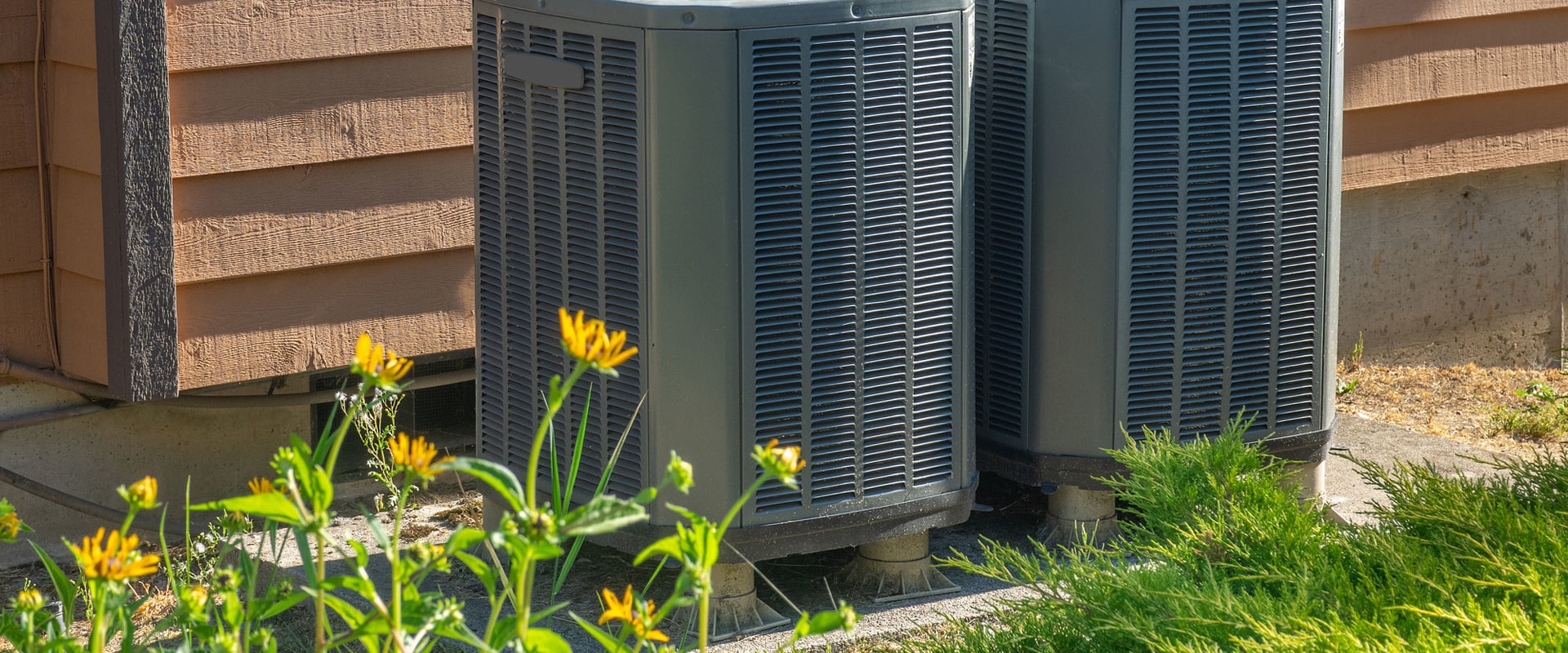
When it comes to maintaining a comfortable living environment, understanding the various types of HVAC systems is essential for homeowners. HVAC, which stands for heating, ventilation, and air conditioning, encompasses a range of technologies designed to regulate indoor climate. With the right system in place, you can ensure optimal temperature control and air quality throughout your home. However, with numerous options available, it can be challenging to determine which system best suits your needs.Among the most common types of HVAC systems are central air conditioning , heat pumps , and furnaces.
Each of these systems operates differently and offers unique benefits. For instance, central air conditioning systems are designed to cool your entire home efficiently by distributing chilled air through a network of ducts. This method not only provides consistent cooling but also helps maintain humidity levels, making it a popular choice for many households.On the other hand, heat pumps serve a dual purpose by both heating and cooling your home. They work by transferring heat from one place to another, making them an energy-efficient option for moderate climates.
In colder regions, however, traditional furnaces may be more effective as they generate heat directly through combustion or electric resistance. Understanding these distinctions is crucial when selecting an HVAC system that aligns with your specific climate conditions and personal preferences.As you explore your options, consider factors such as energy efficiency ratings, installation costs, and maintenance requirements. Each type of HVAC system has its own set of advantages and potential drawbacks, so taking the time to research and evaluate your choices will ultimately lead to a more informed decision. By grasping the fundamentals of HVAC systems, you can better navigate the complexities of selecting the right solution for your home.
Key Factors to Consider When Choosing an HVAC Brand
When it comes to selecting the right HVAC brand for your home, several key factors can significantly influence your decision.Understanding these elements will not only help you choose a brand that meets your needs but also ensure that you invest in a system that provides long-term comfort and efficiency.
Energy Efficiency Ratings
One of the most critical aspects to consider is the energy efficiency of the HVAC systems offered by different brands. Energy efficiency is typically measured using the Seasonal Energy Efficiency Ratio (SEER) for air conditioning units and the Annual Fuel Utilization Efficiency (AFUE) for furnaces. Higher ratings indicate better energy performance, which can lead to lower utility bills and a reduced carbon footprint.- SEER Ratings: Look for units with a SEER rating of 14 or higher, as these are generally considered efficient by today’s standards.
- AFUE Ratings: For furnaces, an AFUE rating of 90% or above is ideal, meaning that 90% of the fuel consumed is converted into heat.
Reliability and Durability
The reliability of an HVAC system is another essential consideration. A dependable system will not only perform well but also require fewer repairs over its lifespan.Researching customer reviews and industry ratings can provide insight into how well different brands hold up over time. Look for brands that are known for their durability and have a strong track record in the market.
- Warranty Options: A robust warranty can be an indicator of a brand's confidence in its products. Brands that offer extended warranties often do so because they believe their systems will last.
- User Feedback: Check online reviews and forums to see what other homeowners have experienced with specific brands. This can give you a clearer picture of reliability.
Customer Service and Support
Customer service
is another vital factor when choosing an HVAC brand.
A company that provides excellent support can make a significant difference in your overall experience. Consider the following:
- Availability: Ensure that the brand offers accessible customer service, including phone support, online chat, or email assistance.
- Response Time: Look for brands known for quick response times to inquiries or service requests, as this can be crucial during emergencies.
- Installation and Maintenance Services: Some brands offer comprehensive installation and maintenance services through certified contractors, which can enhance your experience and ensure optimal performance.
Evaluating Brand Reputation and Reviews
When it comes to selecting an HVAC system, understanding the reputation of various brands is crucial. A brand's reputation can significantly influence your decision, as it often reflects the experiences of other consumers.Here are some effective strategies to evaluate HVAC brand reputation and customer reviews.
Researching Brand Reputation
Start by looking into the history and background of the HVAC brands you are considering. Established companies often have a track record that can provide insights into their reliability and performance. Key factors to consider include:- Years in Business: Brands that have been around for a long time typically have more experience in the industry.
- Industry Awards: Recognition from industry organizations can indicate a brand's commitment to quality and innovation.
- Market Share: Leading brands often dominate the market, which can be a sign of consumer trust.
Analyzing Customer Reviews
Customer reviews are invaluable when assessing HVAC brands. They provide real-world insights into product performance, customer service, and overall satisfaction.Here’s how to effectively analyze these reviews:
- Look for Patterns: Read multiple reviews across different platforms to identify common themes, whether positive or negative.
- Consider the Source: Reviews on reputable sites like Consumer Reports or Angie's List tend to be more reliable than those on less-known platforms.
- Focus on Recent Feedback: The most recent reviews will give you a clearer picture of current product quality and customer service.
Comparing Brands
Once you have gathered information on various brands, it’s time to compare them. Create a comparison chart that includes:- Customer Ratings: Aggregate scores from different review sites can help you see which brands consistently perform well.
- Warranty Offers: A strong warranty can indicate a brand's confidence in its products.
- Service Availability: Check if local contractors frequently install and service the brands you are considering.
Energy Efficiency Ratings Explained
When selecting an HVAC system, understanding energy efficiency ratings is crucial for making an informed decision. These ratings not only indicate how well a system performs but also provide insight into potential long-term savings on energy bills. Two of the most important ratings to consider are the Seasonal Energy Efficiency Ratio (SEER) and the Heating Seasonal Performance Factor (HSPF) .Understanding SEER Ratings
The SEER rating measures the cooling efficiency of air conditioning systems.It is calculated by dividing the total cooling output (in BTUs) during a typical cooling season by the total energy consumed (in watt-hours) during that same period. A higher SEER rating indicates a more efficient unit, which can lead to significant energy savings.
- Minimum SEER Requirements: In the United States, the Department of Energy mandates minimum SEER ratings for new air conditioning systems. As of 2023, the minimum is 14 SEER for most regions, with some areas requiring even higher ratings.
- Energy Savings: For every point increase in SEER rating, homeowners can expect to save approximately 10-15% on their cooling costs. Therefore, investing in a unit with a higher SEER can pay off over time.
Understanding HSPF Ratings
The HSPF rating is essential for heat pumps, measuring their heating efficiency.Similar to SEER, it is calculated by dividing the total heating output (in BTUs) by the total energy consumed (in watt-hours) during a heating season. A higher HSPF rating signifies better efficiency and lower operating costs.
- Minimum HSPF Requirements: The current minimum HSPF rating for new heat pumps is 8.2, although many high-efficiency models exceed this standard.
- Long-Term Savings: Just like with SEER ratings, a higher HSPF can lead to substantial savings on heating bills. Homeowners should consider this when evaluating different heat pump options.
By opting for systems with higher ratings, you can enjoy greater comfort while minimizing your environmental footprint and maximizing your savings.
The Importance of Proper Installation and Maintenance
When it comes to HVAC systems, the significance of proper installation and regular maintenance cannot be overstated. A well-installed system not only ensures optimal performance but also enhances energy efficiency, leading to lower utility bills and a more comfortable living environment.Proper Installation
The installation process is critical to the overall functionality of your HVAC system. An improperly installed unit can lead to a myriad of issues, including:
- Poor airflow: If the system is not correctly sized or positioned, it may struggle to circulate air effectively throughout your home.
- Increased energy consumption: A unit that is too large or too small for your space will work harder than necessary, leading to higher energy costs.
- Frequent breakdowns: Incorrect installation can cause undue stress on components, resulting in more frequent repairs and a shorter lifespan for your system.
Ask for references and check online reviews to gauge their reliability and expertise.
Maintenance Tips
Once your HVAC system is installed, regular maintenance is key to keeping it running efficiently. Here are some essential maintenance tips:
- Change filters regularly: Dirty filters can restrict airflow and reduce efficiency. Aim to replace or clean filters every 1-3 months, depending on usage.
- Schedule annual inspections: Have a professional technician inspect your system at least once a year. They can identify potential issues before they become major problems.
- Keep the outdoor unit clear: Ensure that the area around your outdoor condenser unit is free from debris, plants, and other obstructions that could impede airflow.
- Monitor performance: Pay attention to any unusual noises or changes in temperature.
If something seems off, don’t hesitate to call a professional.
Hiring Contractors
Selecting the right contractor for installation and maintenance is crucial. Here are some tips for finding a qualified HVAC professional:
- Get multiple quotes: Don’t settle for the first estimate you receive. Compare quotes from several contractors to ensure you’re getting a fair price.
- Check credentials: Verify that the contractor has the necessary licenses and certifications required by your state or local regulations.
- Ask about warranties: Inquire about warranties on both the equipment and the installation work. A reputable contractor should stand behind their services.
- Look for experience: Choose contractors who have been in business for several years and have experience with the specific type of HVAC system you are installing.
This proactive approach not only enhances comfort but also protects your investment in your home’s heating and cooling system.
Comparing Popular HVAC Brands
When it comes to selecting an HVAC system, understanding the strengths and weaknesses of popular brands can significantly influence your decision. Here, we will delve into some of the most recognized names in the industry: Trane , Carrier , Lennox , and Goodman .Trane
Trane is often lauded for its reliability and durability. Many homeowners report that their Trane systems last well over a decade with minimal issues. The brand is known for its high energy efficiency ratings, which can lead to lower utility bills over time.However, this quality comes at a price; Trane systems tend to be on the higher end of the cost spectrum. Additionally, while their warranty options are competitive, they may not be as extensive as some other brands.
Carrier
Carrier is another heavyweight in the HVAC market, recognized for its innovative technology and energy-efficient models. The brand offers a wide range of products, from budget-friendly options to high-end systems equipped with advanced features like smart thermostats. Carrier's warranty options are generally favorable, providing peace of mind for homeowners.However, some users have reported that their customer service can be inconsistent, which is an important factor to consider when choosing an HVAC company.
Lennox
Lennox is celebrated for its commitment to energy efficiency and environmental sustainability. Their systems often feature cutting-edge technology that maximizes performance while minimizing energy consumption. Lennox also offers a variety of models to fit different budgets and needs. However, similar to Trane, Lennox systems can be pricier than some competitors.Customer satisfaction ratings are generally high, but installation quality can vary based on the contractor.
Goodman
If you're looking for a more budget-friendly option without sacrificing quality, Goodman may be the brand for you. Known for offering reliable systems at competitive prices, Goodman provides solid warranties that often cover parts for up to 10 years. While their energy efficiency ratings may not match those of Trane or Lennox, Goodman systems still perform well in most residential settings. However, some users have noted that their customer service experience can be less favorable compared to higher-end brands.In summary, each of these popular HVAC brands has its unique strengths and weaknesses.When choosing an AC company, consider factors such as your budget, energy efficiency needs, and the importance of customer service in your decision-making process.
Cost Considerations When Choosing an HVAC Brand
When it comes to selecting an HVAC brand, understanding the cost considerations is crucial. The initial investment in an HVAC system can vary significantly based on the brand, model, and features you choose. However, it’s essential to look beyond just the upfront costs and consider the long-term financial implications as well.Initial Costs
The initial cost of an HVAC system typically includes the price of the unit itself, installation fees, and any additional components required for a complete setup. Here are some factors that influence these costs:
- Brand Reputation: Well-known brands often come with a higher price tag due to their established reliability and performance.
- System Type: Central air conditioning systems generally cost more than window units or portable systems.
Heat pumps may also vary in price depending on their efficiency ratings.
- Installation Complexity: If your home requires extensive ductwork or modifications for installation, this can significantly increase labor costs.
Long-Term Savings
While the initial investment is important, it’s equally vital to consider the potential savings over time. Energy-efficient HVAC systems can lead to substantial reductions in utility bills. Here are some points to keep in mind:
- Energy Efficiency Ratings: Look for systems with high SEER (Seasonal Energy Efficiency Ratio) ratings. These units consume less energy while providing the same level of comfort.
- Tax Credits and Rebates: Many energy-efficient models qualify for tax credits or local utility rebates, which can help offset the initial purchase price.
- Longevity: Investing in a reputable brand often means a longer lifespan for your system, reducing the frequency of replacements and repairs.
Financing Options
If the upfront costs are daunting, many HVAC companies offer financing options to help spread out payments.
Here are some common financing solutions:
- Installment Plans: Many contractors provide flexible payment plans that allow you to pay for your system over time.
- Credit Options: Some brands partner with financial institutions to offer credit lines specifically for HVAC purchases.
- Government Programs: Check for local or federal programs that assist homeowners in financing energy-efficient upgrades.
Frequently Asked Questions About HVAC Brands
When it comes to selecting an HVAC brand, many homeowners have questions that can significantly impact their decision-making process. Below are some of the most frequently asked questions regarding HVAC brands and systems, along with detailed answers to help clarify any uncertainties.What should I look for in an HVAC brand?
When evaluating HVAC brands, consider the following factors:- Energy Efficiency: Look for brands that offer high SEER (Seasonal Energy Efficiency Ratio) ratings for air conditioning units and AFUE (Annual Fuel Utilization Efficiency) ratings for furnaces. Higher ratings indicate better energy efficiency, which can lead to lower utility bills.
- Reliability: Research customer reviews and industry ratings to gauge the reliability of different brands.
Brands with a strong reputation for durability and performance are often worth considering.
- Warranty Options: A good warranty can provide peace of mind. Check what warranties are offered by different brands and what they cover.
- Customer Service: Responsive customer service is crucial for addressing any issues that may arise after installation. Look for brands known for their excellent support.
How do I know if I need a new HVAC system?
If your current system is showing signs of age or inefficiency, it may be time to consider a replacement. Here are some indicators:- Your system is over 10-15 years old.
- You notice inconsistent temperatures throughout your home.
- Your energy bills have significantly increased without a change in usage.
- You hear unusual noises or experience frequent breakdowns.
What are common troubleshooting tips for HVAC systems?
If you encounter issues with your HVAC system, here are some basic troubleshooting steps:- Check the Thermostat: Ensure it’s set to the desired temperature and is functioning properly.
- Inspect Air Filters: Dirty filters can restrict airflow and reduce efficiency.
Replace or clean them regularly.
- Examine Circuit Breakers: If your system isn’t turning on, check the circuit breaker to see if it has tripped.
- Look for Blockages: Ensure that vents and registers are not obstructed by furniture or debris.
Conclusion: Making an Informed Decision on Your HVAC Brand Choice
In conclusion, selecting the right HVAC brand is a critical decision that can significantly impact your home’s comfort, energy efficiency, and overall satisfaction. Throughout this guide, we have explored various factors that should influence your choice, emphasizing the importance of thorough research and informed decision-making.First and foremost, understanding the different types of HVAC systems available is essential. Whether you opt for central air conditioning, heat pumps, or furnaces, each system has unique advantages and considerations. This knowledge allows you to align your choice with your specific needs and preferences.Moreover, evaluating key factors such as energy efficiency , reliability , and customer service can help you narrow down your options.Brands that prioritize these aspects often provide better long-term value and performance. For instance, a brand known for its energy-efficient models can lead to significant savings on utility bills over time.Brand reputation also plays a vital role in your decision-making process. Engaging with trusted HVAC contractors can provide insights into which brands they recommend based on their experience and customer feedback. This firsthand knowledge can be invaluable in identifying reliable brands that have stood the test of time.Lastly, remember that even the best HVAC system will only perform optimally if it is installed correctly and maintained regularly.
Partnering with a reputable contractor ensures that your system is set up to function efficiently from day one and continues to do so throughout its lifespan.Ultimately, making an informed decision about your HVAC brand choice requires careful consideration of all these factors. By taking the time to research and consult with professionals, you can select a system that not only meets your heating and cooling needs but also enhances your home’s comfort and efficiency for years to come.