When it comes to selecting the right air conditioner for your home, understanding your unique cooling needs is paramount. Every household is different, with varying sizes, layouts, and personal preferences that influence how effectively a cooling system can perform. Before diving into the myriad of options available on the market, it’s essential to assess your specific requirements. This not only ensures comfort during the sweltering summer months but also helps in making an informed decision that aligns with your budget and energy efficiency goals.Start by evaluating the size of your living space.
Larger homes may require multiple units or a central air conditioning system to maintain a consistent temperature throughout. Conversely, smaller spaces might benefit from compact window units or portable air conditioners. Additionally, consider the layout of your home; open floor plans may allow for better airflow, while closed-off rooms might necessitate individual cooling solutions. Understanding these factors will help you determine the appropriate capacity and type of air conditioning system that will best suit your home.Another critical aspect to consider is your lifestyle and how you use your living space.
Do you entertain guests frequently? Are there areas in your home that tend to get warmer than others? Identifying these patterns can guide you in choosing an air conditioner that not only cools effectively but also operates efficiently. Furthermore, think about energy consumption; opting for an energy-efficient model can lead to significant savings on utility bills while reducing your environmental footprint.In summary, taking the time to understand your cooling needs lays the foundation for selecting the perfect air conditioning system. By considering factors such as space size, layout, lifestyle habits, and energy efficiency, you can make a well-informed choice that enhances comfort in your home while being mindful of costs and environmental impact.
Types of Air Conditioners
When it comes to selecting an air conditioner, understanding the different types available is crucial for making an informed decision. Each type of air conditioning unit has its own unique features, benefits, and ideal use cases.Below, we explore the most common types of air conditioners to help you determine which one best suits your home.
Central Air Conditioning
Central air conditioning systems are designed to cool an entire home through a network of ducts. This type of system is ideal for larger homes or those with multiple rooms, as it provides consistent cooling throughout the space. Central AC units are typically more energy-efficient than other types, especially when properly sized and installed by a reputable AC company.- Benefits: Even temperature distribution, quieter operation, and the ability to filter air pollutants.
- Ideal Use Case: Best for homes with existing ductwork and those looking for a whole-home cooling solution.
Window Air Conditioners
Window units are compact air conditioners that fit into a window frame. They are a popular choice for apartments or smaller spaces where central air may not be feasible.Window ACs are generally less expensive to purchase and install compared to central systems.
- Benefits: Cost-effective, easy to install, and can be removed during cooler months.
- Ideal Use Case: Perfect for single rooms or small apartments where cooling needs are limited.
Portable Air Conditioners
Portable air conditioners offer flexibility and convenience, as they can be moved from room to room as needed. These units typically come with a venting kit that allows hot air to be expelled through a window or door.- Benefits: No permanent installation required, easy mobility, and suitable for renters.
- Ideal Use Case: Great for individuals who need temporary cooling solutions or have limited space.
Split Systems
Split systems consist of two main components: an indoor unit and an outdoor compressor. This type of air conditioner is known for its quiet operation and energy efficiency. Split systems can be used to cool individual rooms or entire homes, depending on the configuration.- Benefits: Quiet operation, energy-efficient, and customizable cooling options.
- Ideal Use Case: Suitable for homes without ductwork or those looking for targeted cooling in specific areas.
Whether you opt for a central system, window unit, portable AC, or split system, consulting with a professional AC company can help ensure you choose the right option tailored to your specific needs.
Key Factors to Consider When Choosing an Air Conditioner
When it comes to choosing an air conditioner, several critical factors can significantly influence your decision. Understanding these elements will help you select a unit that not only meets your cooling needs but also enhances your home’s comfort and efficiency.Size Matters
The size of the air conditioner is perhaps the most crucial factor to consider. An improperly sized unit can lead to various issues, including inadequate cooling or excessive energy consumption. To determine the right size, you need to calculate the British Thermal Units (BTUs) required for your space.This calculation takes into account factors such as:
- The square footage of the area to be cooled
- The height of the ceilings
- The number of windows and doors
- The amount of sunlight the room receives
- The number of occupants in the space
Energy Efficiency Ratings
Another vital consideration is the energy efficiency of the air conditioner. Look for units with a high Energy Efficiency Ratio (EER) or those that are certified by Energy StarEnergy Star. These ratings indicate how effectively an air conditioner uses electricity to cool your home. A higher EER means lower energy bills and a reduced environmental impact.Investing in an energy-efficient model may have a higher upfront cost, but it can lead to significant savings over time.
Noise Levels
No one wants a noisy air conditioner disrupting their peace at home. Therefore, it’s essential to consider the noise levels of different models. Most manufacturers provide decibel ratings for their units, which can help you gauge how loud or quiet an air conditioner will be during operation. Generally, units that operate below 60 decibels are considered quiet and suitable for bedrooms or living areas where noise can be a concern.In summary, when selecting an air conditioner, pay close attention to size, energy efficiency ratings, and noise levels.By carefully evaluating these factors, you can ensure that your investment not only keeps your home cool but also operates efficiently and quietly, enhancing your overall comfort.
Energy Efficiency Ratings Explained
When selecting an air conditioner, understanding energy efficiency ratings is crucial for making a wise investment. These ratings not only indicate how effectively a unit cools your home but also how much it will cost you to operate over time. Two of the most important metrics to consider are the Seasonal Energy Efficiency Ratio (SEER ) and the Energy Efficiency Ratio (EER ).Understanding SEER
The SEER rating measures the cooling output of an air conditioning system over a typical cooling season divided by the total energy consumed in watt-hours. Essentially, it provides a comprehensive view of a unit's efficiency during varying temperatures and conditions.A higher SEER rating indicates better energy efficiency, which can lead to significant savings on your utility bills.For example, if you choose an air conditioner with a SEER rating of 16 compared to one with a rating of 13, you could save approximately 20% on your cooling costs. This difference can add up over the lifespan of the unit, making it a vital factor in your decision-making process.
Decoding EER
The EER rating, on the other hand, measures the efficiency of an air conditioning unit at a specific temperature—usually at 95°F. It is calculated by dividing the cooling capacity (in BTUs) by the power input (in watts). While SEER provides an average efficiency over an entire season, EER gives insight into how well a unit performs under peak conditions.For homeowners in regions with extreme heat, EER can be particularly important.A higher EER means that your air conditioner will perform more efficiently when temperatures soar, helping to keep your home comfortable without excessive energy costs.
Energy Star Certification
Another essential aspect to consider is whether the air conditioner has received Energy Star certification. This designation is awarded to products that meet strict energy efficiency guidelines set by the U. S. Environmental Protection Agency (EPA).Air conditioners that are Energy Star certified typically have higher SEER and EER ratings than non-certified models.Investing in an Energy Star certified unit not only helps reduce your carbon footprint but can also qualify you for rebates and incentives offered by utility companies or government programs. This makes it an even more attractive option for budget-conscious homeowners.In summary, understanding energy efficiency ratings like SEER and EER is essential when choosing an air conditioner. These ratings provide valuable insights into how much you can expect to spend on energy costs over time. Additionally, opting for Energy Star certified units can enhance your savings while contributing to environmental sustainability.
Top Air Conditioner Brands to Consider
When it comes to selecting an air conditioner, the brand you choose can significantly impact your overall satisfaction and the longevity of your unit.Here, we will explore some of the top air conditioner brands that are known for their reliability, performance, and customer satisfaction.
- Trane : Renowned for its durability and efficiency, Trane offers a wide range of air conditioning systems that cater to various needs. Their units often come with a robust warranty, typically lasting up to 10 years, which speaks volumes about their confidence in product quality. Customers frequently praise Trane for its quiet operation and energy efficiency.
- Lennox : This brand is synonymous with innovation in the HVAC industry. Lennox air conditioners are designed with advanced technology that maximizes energy savings while providing optimal cooling.
Their models often feature variable-speed compressors, which allow for more precise temperature control. Additionally, Lennox offers a comprehensive warranty program that enhances customer peace of mind.
- Carrier : As one of the pioneers in air conditioning technology, Carrier has built a reputation for producing reliable and efficient units. Their air conditioners are known for their high SEER (Seasonal Energy Efficiency Ratio) ratings, making them an excellent choice for energy-conscious homeowners. Carrier also provides extensive customer support and service options.
- Rheem : Rheem is recognized for its affordability without compromising on quality.
They offer a variety of models that cater to different budgets while still delivering solid performance. Rheem’s warranty options are competitive, often covering parts for up to 10 years, which is appealing for budget-minded consumers.
- York : York air conditioners are celebrated for their reliability and ease of installation. They provide a range of models suitable for both residential and commercial applications. York also emphasizes energy efficiency in their designs, helping homeowners save on utility bills.
Each brand has its strengths and weaknesses, so it’s essential to assess your specific needs and preferences before making a decision.In conclusion, investing in a reputable brand can lead to better performance and greater satisfaction with your air conditioning system. By choosing wisely among these reliable manufacturers, you can ensure a comfortable living environment while also maximizing your investment.
The Importance of Professional Installation
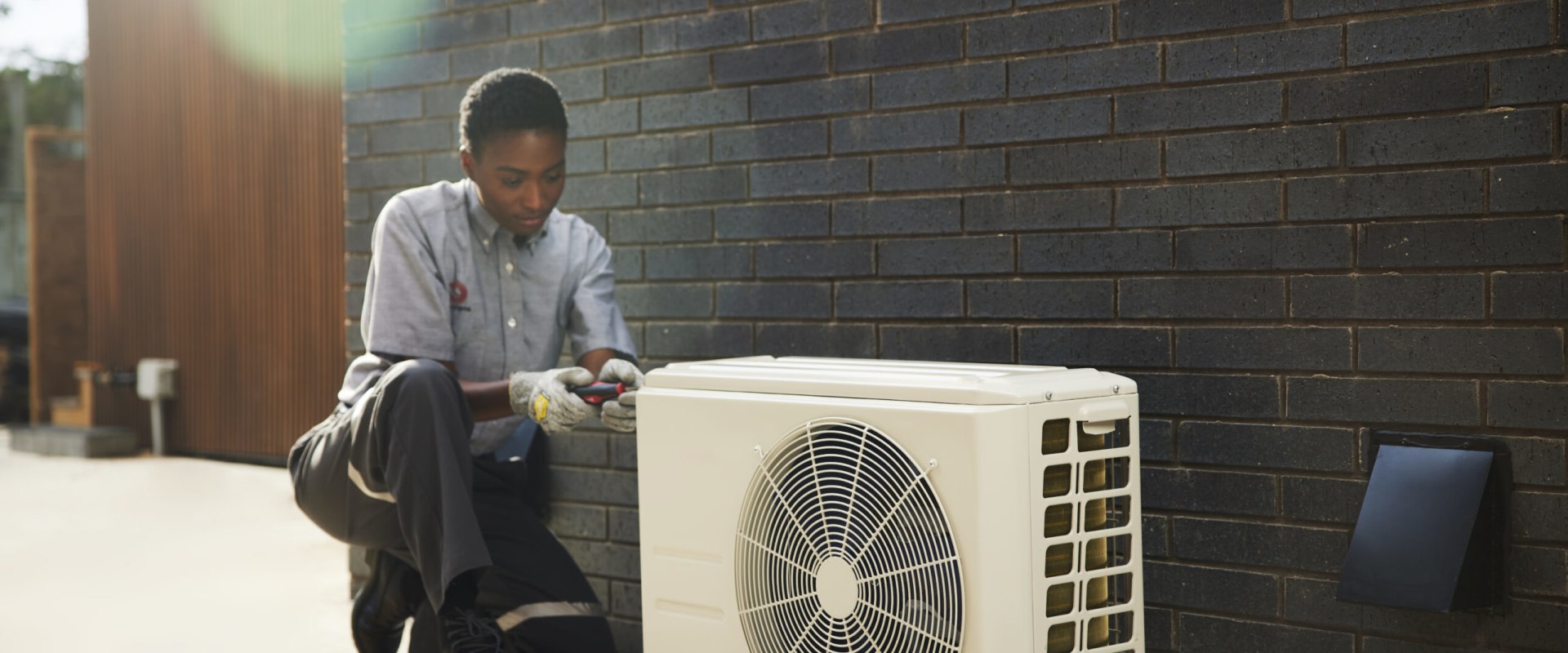
When it comes to installing an air conditioning unit, the importance of professional installation cannot be overstated. While some homeowners may consider a DIY approach to save on costs, the reality is that improper installation can lead to a host of problems that may negate any initial savings. Engaging a qualified HVAC company ensures that your air conditioner is set up correctly, maximizing its efficiency and lifespan.One of the primary benefits of professional installation is the assurance of proper sizing and placement.An experienced technician will assess your home’s layout, insulation, and specific cooling needs to recommend the right unit size. An air conditioner that is too small will struggle to cool your space, leading to increased energy consumption and wear on the unit. Conversely, an oversized unit can cycle on and off too frequently, causing unnecessary strain and reducing its overall efficiency.
Expertise in Installation Techniques
Professional HVAC technicians are trained in the latest installation techniques and best practices. They understand the intricacies involved in setting up various types of air conditioning systems, whether it’s a central air system or a ductless mini-split.This expertise not only ensures that the unit operates effectively but also minimizes the risk of future issues such as refrigerant leaks or electrical problems.
Compliance with Local Codes
Another critical aspect of hiring a professional is compliance with local building codes and regulations. HVAC companies are familiar with these requirements and will ensure that your installation meets all necessary standards. This compliance is essential not only for safety but also for avoiding potential fines or complications when selling your home.Warranty Protection
Many air conditioning units come with manufacturer warranties that require professional installation to remain valid. If you attempt to install the unit yourself and something goes wrong, you may void this warranty, leaving you responsible for costly repairs.By opting for professional installation, you protect your investment and ensure that any future issues are covered under warranty.In conclusion, while it may be tempting to cut costs by installing your air conditioner yourself, the long-term benefits of hiring a professional HVAC company far outweigh any short-term savings. From ensuring proper sizing and compliance with regulations to protecting your warranty, professional installation is a crucial step in achieving optimal performance and longevity for your air conditioning system.
Finding a Reliable AC Company for Installation and Maintenance
When it comes to ensuring your air conditioning system operates efficiently and effectively, finding a reliable AC company for installation and maintenance is crucial. The right HVAC service provider can make all the difference in your comfort and energy savings. Here are some essential tips to help you choose a trustworthy AC company.Research and Recommendations
Start by gathering recommendations from friends, family, or neighbors who have recently had air conditioning work done.Personal experiences can provide valuable insights into the quality of service offered by local companies. Additionally, consider checking online reviews on platforms like Google, Yelp, or Angie's List to gauge customer satisfaction.
Verify Credentials
Before hiring an AC company, ensure they are licensed and insured. A valid license indicates that the company meets state regulations and has the necessary training to perform HVAC work. Insurance protects you from liability in case of accidents during installation or maintenance.Experience Matters
Look for companies with a proven track record in the industry.An established HVAC service provider will have experience dealing with various air conditioning systems and can offer expert advice tailored to your specific needs. Ask how long they have been in business and whether they specialize in certain brands or types of systems.
Service Offerings
A reliable AC company should offer a comprehensive range of services, including:- Installation: Proper installation is key to the efficiency of your air conditioning system.
- Maintenance: Regular maintenance services help prolong the life of your unit and maintain optimal performance.
- Repairs: Look for companies that provide prompt repair services for any issues that may arise.
- Emergency Services: An ideal HVAC provider should offer emergency repair services for unexpected breakdowns.
Get Multiple Quotes
Don’t settle for the first quote you receive. Contact several AC companies to obtain estimates for installation or maintenance services. This will give you a better understanding of the market rates and help you identify any unusually high or low quotes that may indicate subpar service or hidden costs.Ask About Warranties and Guarantees
A reputable AC company should stand behind their work with warranties on both parts and labor.Inquire about their policies regarding guarantees on installations and repairs, as this can provide peace of mind knowing that you are covered if something goes wrong shortly after service.By following these guidelines, you can find a reliable AC company that will not only install your air conditioning system correctly but also provide ongoing maintenance to keep it running smoothly for years to come.
Common Air Conditioner Problems and Solutions
Air conditioners are essential for maintaining a comfortable indoor environment, especially during the sweltering summer months. However, like any mechanical system, they can encounter problems that may disrupt their performance. Understanding common air conditioner issues and their solutions can help you troubleshoot effectively and maintain your unit in optimal condition.Common AC Problems
- Insufficient Cooling: If your air conditioner is running but not cooling your home adequately, it could be due to a dirty air filter, low refrigerant levels, or a malfunctioning compressor.
- Strange Noises: Unusual sounds such as grinding, squealing, or rattling can indicate loose parts or mechanical issues within the unit.
- Frequent Cycling: If your AC turns on and off frequently, it may be oversized for your space or have a faulty thermostat.
- Water Leaks: Leaks can occur due to clogged condensate drains or low refrigerant levels, leading to water pooling around the unit.
- Bad Odors: Foul smells can indicate mold growth within the unit or burnt wiring that requires immediate attention.
Troubleshooting Air Conditioners
If you encounter any of these issues, here are some troubleshooting steps you can take:- Check the Air Filter: A clogged air filter restricts airflow and reduces efficiency. Replace or clean the filter every 1-3 months to ensure proper operation.
- Inspect the Thermostat: Ensure that your thermostat is set to the desired temperature and functioning correctly.
Consider recalibrating or replacing it if necessary.
- Examine the Outdoor Unit: Clear any debris such as leaves or dirt from around the outdoor condenser unit to promote proper airflow.
- Look for Ice Buildup: If you notice ice forming on the evaporator coils, turn off the unit and allow it to thaw. This could indicate low refrigerant levels or airflow issues.
Maintenance Tips for AC Units
Regular maintenance is key to preventing common air conditioner problems. Here are some tips to keep your system running smoothly:- Scheduling Annual Inspections: Have a professional HVAC technician inspect your system at least once a year to identify potential issues before they escalate.
- Cleansing Coils and Fins: Keep the evaporator and condenser coils clean to enhance efficiency and prolong the lifespan of your unit.
- Checking Refrigerant Levels: Ensure that refrigerant levels are adequate; low levels can lead to inefficient cooling and increased energy costs.
Conclusion: Making an Informed Decision on Your Air Conditioner Purchase
In conclusion, selecting the right air conditioner for your home is a multifaceted decision that requires careful thought and consideration. As we have explored throughout this article, there are several critical factors to keep in mind to ensure you make an informed choice that aligns with your specific needs and preferences.Understanding Your Space
- First and foremost, it is essential to assess the size of the area you wish to cool.
An air conditioning unit that is too small will struggle to maintain a comfortable temperature, while one that is excessively large can lead to inefficient energy use and increased costs.
- Consulting with a professional HVAC technician can provide valuable insights into the appropriate size and type of unit for your home.
Energy Efficiency Matters
- Another vital aspect to consider is energy efficiency. Opting for models with a high Energy Efficiency Ratio (EER) or those that carry the Energy Star label can significantly reduce your energy bills over time.
- Investing in an energy-efficient air conditioner not only benefits your wallet but also contributes positively to the environment by reducing overall energy consumption.
Choosing the Right AC Company
- The installation process is equally important. Selecting a reputable AC company ensures that your unit is installed correctly, maximizing its performance and lifespan.
- Look for companies with positive reviews, proper licensing, and insurance coverage to guarantee quality service.
Remember, this investment not only enhances your home’s comfort but also contributes to its overall value. Don’t hesitate to reach out to professionals who can guide you through this process and help you find the perfect air conditioning solution tailored to your needs.