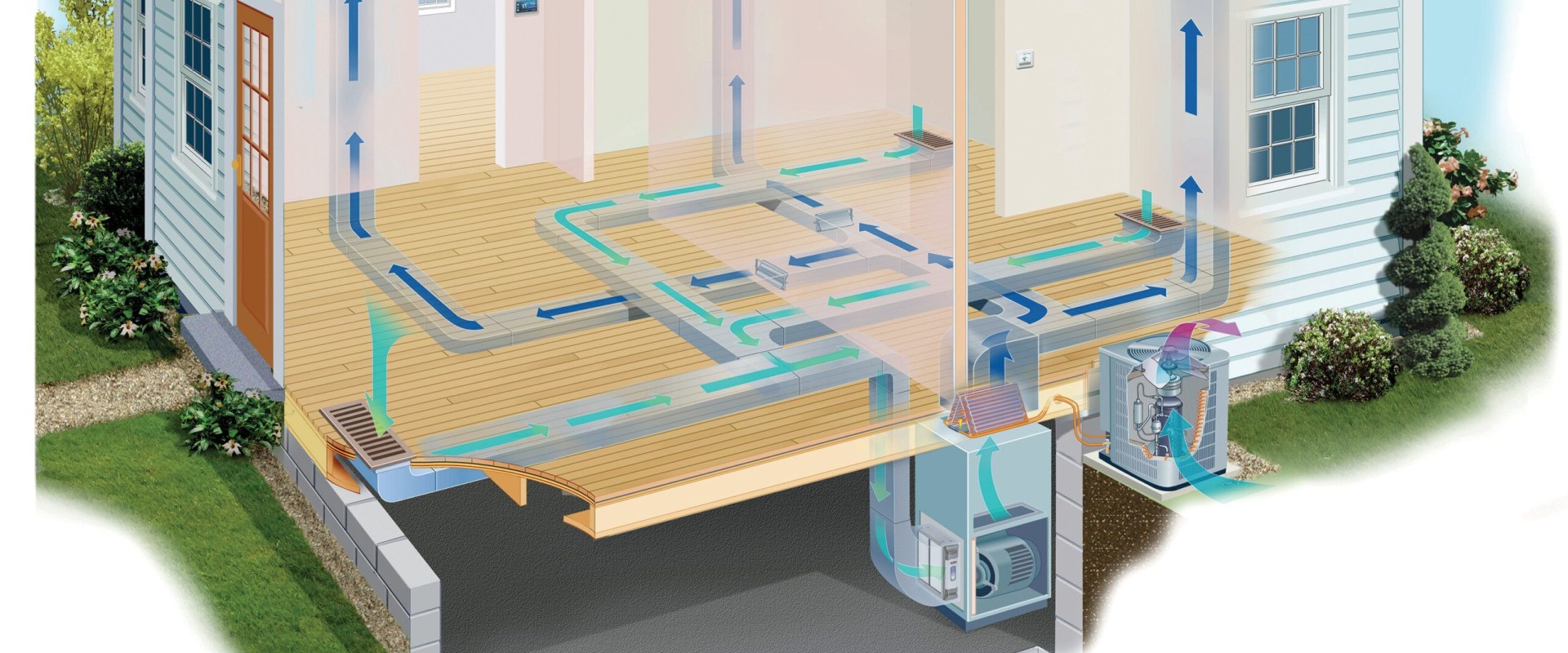
Understanding HVAC systems is crucial for homeowners looking to maintain a comfortable living environment throughout the year. HVAC, which stands for Heating, Ventilation, and Air Conditioning, encompasses a range of technologies designed to regulate indoor temperature and air quality. These systems are essential not only for comfort but also for energy efficiency and overall health. By grasping the basic components of HVAC systems, you can make informed decisions about maintenance, upgrades, and even mixing brands. At the heart of any HVAC system are its key components: the furnace or heating unit, the air conditioning unit, ductwork, and thermostats.
The furnace generates heat during colder months, while the air conditioning unit cools the air in warmer seasons. Ductwork serves as the pathway for heated or cooled air to circulate throughout your home, ensuring that every room reaches the desired temperature. Meanwhile, thermostats act as the control center, allowing you to set and adjust your home's climate according to your preferences. Each component plays a vital role in the overall efficiency and performance of your HVAC system. For instance, if one part is outdated or incompatible with others, it can lead to inefficiencies that not only affect comfort but also increase energy bills.
This is particularly important to consider when thinking about mixing different brands of HVAC equipment. While it may seem like a cost-effective solution to replace just one component with a different brand, understanding how these systems work together is essential for long-term satisfaction. As you delve deeper into the world of HVAC systems, you'll discover that compatibility between components is key to achieving optimal performance. Whether you're dealing with an aging furnace or a malfunctioning air conditioner, knowing how each part interacts will help you make better choices when it comes to repairs or replacements. This foundational knowledge sets the stage for exploring the implications of mixing HVAC brands and how it can impact your home's heating and cooling efficiency.
The Pros and Cons of Mixing HVAC Brands
When considering whether to mix HVAC brands, it’s essential to weigh the pros and cons carefully.Understanding the benefits and drawbacks can help homeowners make informed decisions that align with their specific needs and circumstances.
Benefits of Mixing Brands
- Cost Savings: One of the most significant advantages of mixing HVAC brands is the potential for cost savings. If one unit fails while the other is still operational, homeowners can replace only the malfunctioning unit, often opting for a more affordable or energy-efficient model from a different brand.
- Access to Advanced Technology: Different manufacturers may offer unique features or technologies that can enhance system performance. By mixing brands, homeowners can take advantage of the latest innovations without being restricted to a single brand's offerings.
- Flexibility in Selection: Homeowners may find that certain brands excel in specific areas, such as energy efficiency or noise reduction. Mixing brands allows for a tailored approach, enabling homeowners to select components that best meet their preferences and requirements.
Drawbacks of Mixing Brands
- Compatibility Issues: One of the primary concerns when mixing HVAC brands is compatibility.
Different brands may have varying specifications for components like coils and fans, which can lead to inefficiencies or performance issues if not properly matched.
- Warranty Complications: Mixing brands can complicate warranty claims. If a system fails due to incompatibility between mixed components, manufacturers may deny warranty coverage, leaving homeowners responsible for repair costs.
- Increased Maintenance Challenges: Troubleshooting a mixed-brand system can be more complex. Technicians may need specialized knowledge about multiple brands, which could lead to longer repair times and increased service costs.
Compatibility Issues: What to Look For
When considering the integration of different HVAC brands, understanding compatibility is crucial to ensure optimal performance and efficiency.Here are some key factors to evaluate:
- Size of Components: One of the most critical aspects of HVAC compatibility is the size of the components. The air handler, condenser, and evaporator coils must be appropriately sized for your home’s ductwork and existing system. If the new unit is too large or too small, it can lead to inefficiencies, increased energy costs, and even premature system failure.
- Efficiency Ratings: Different brands may have varying efficiency ratings, often measured by SEER (Seasonal Energy Efficiency Ratio) for air conditioners and AFUE (Annual Fuel Utilization Efficiency) for furnaces. When mixing brands, it’s essential to ensure that the efficiency ratings are compatible.
A lower-rated unit paired with a higher-rated one can lead to imbalanced performance and increased wear on the more efficient unit.
- Component Specifications: Each HVAC brand designs its components with specific specifications in mind. This includes electrical requirements, refrigerant types, and airflow characteristics. For instance, if you choose a new air conditioner that uses a different refrigerant than your existing furnace, it could lead to significant issues in operation and maintenance.
- Control Systems: Modern HVAC systems often come equipped with advanced control systems that manage temperature settings and energy usage. When mixing brands, ensure that the control systems are compatible.
Incompatible controls can lead to operational issues and may require additional modifications or replacements.
- Warranty Considerations: Mixing brands can also impact warranties. Many manufacturers stipulate that their products must be used in conjunction with their own components to maintain warranty coverage. Before proceeding with a mixed system, check the warranty terms for both existing and new units.
Impact on Warranties and Manufacturer Support
When considering the option of mixing different HVAC brands, one of the most critical factors to evaluate is the impact on warranties and manufacturer support.Understanding these implications can save homeowners from unexpected financial burdens and complications down the line.Most HVAC manufacturers provide warranties that cover specific components of their systems for a designated period. However, these warranties often come with stipulations that can be easily overlooked. For instance, many manufacturers explicitly state that using components from other brands can void the warranty on the entire system. This means that if you decide to replace your air conditioning unit with a different brand while keeping your existing furnace, you may inadvertently nullify any warranty protections you had on both units.Additionally, if a problem arises in a mixed-brand system, troubleshooting can become significantly more complicated.
HVAC technicians may find it challenging to diagnose issues when components from different manufacturers are involved. This complexity can lead to longer repair times and increased costs, as technicians may need to spend additional time figuring out how the systems interact.Furthermore, manufacturer support can vary widely when dealing with mixed brands. Some companies may refuse to provide assistance or service for systems that do not consist entirely of their products. This lack of support can leave homeowners in a difficult position if they encounter issues with their HVAC system.
It’s essential to read the fine print of any warranty documentation carefully and consult with your AC company before making any decisions.To mitigate these risks, homeowners should consider the following:
- Consult with Professionals: Before making any changes to your HVAC system, speak with a qualified technician who understands the intricacies of different brands and their compatibility.
- Review Warranty Terms: Always check the warranty terms for both your existing and potential new units. Look for clauses related to mixing brands and understand how they might affect your coverage.
- Consider Brand Reputation: Some brands are known for better customer service and support than others. Researching these aspects can help you make a more informed decision.
Cost Considerations When Mixing Brands
When considering the financial implications of mixing HVAC brands, homeowners must conduct a thorough cost analysis.The initial investment in a new HVAC unit can vary significantly depending on the brand and model chosen. While it may be tempting to opt for a less expensive unit from a different brand, it’s essential to evaluate both the short-term and long-term costs associated with this decision.One of the primary factors influencing the cost is the initial purchase price. Different brands have varying price points based on their technology, efficiency ratings, and features. For instance, a high-efficiency air conditioner from a reputable brand may come with a higher upfront cost but could lead to substantial savings on energy bills over time.
Conversely, a budget-friendly option might save you money initially but could result in higher operational costs due to lower efficiency.In addition to the purchase price, homeowners should also consider the installation costs. Mixing brands may require additional modifications to your existing system, which can increase labor costs. If the new unit does not fit seamlessly with your current setup, you might need to invest in new ductwork or other components to ensure compatibility. This can add unexpected expenses to your overall budget.Another critical aspect is the warranty implications.
Many manufacturers offer warranties that are contingent upon using their products exclusively. Mixing brands could void these warranties, leaving you responsible for any repairs or replacements that may arise. This potential risk should be factored into your cost analysis.Long-term savings are also an essential consideration. A mixed-brand system may not operate as efficiently as a single-brand system, potentially leading to increased energy consumption and higher utility bills.
Homeowners should weigh these potential ongoing costs against the initial savings of purchasing a less expensive unit.Ultimately, when budgeting for HVAC systems, it’s crucial to look beyond just the initial costs. A comprehensive analysis that includes installation expenses, warranty considerations, and long-term operational costs will provide a clearer picture of what mixing brands truly entails. Consulting with an experienced AC company can help you navigate these complexities and make an informed decision that aligns with your financial goals.
Expert Recommendations: When to Mix Brands and When to Stick with One
When it comes to HVAC systems, the decision to mix brands can be a complex one. While some homeowners may find it tempting to combine different brands for various components, expert HVAC professionals often have specific recommendations based on experience and technical knowledge.Understanding Compatibility
One of the primary considerations when mixing HVAC brands is compatibility.
Each manufacturer designs their systems with unique specifications, which can affect how well different components work together. For instance, if you are replacing your air conditioning unit but keeping your existing furnace, it’s crucial to ensure that the new AC unit can effectively communicate with the furnace. This is particularly important for systems that rely on advanced technology, such as variable-speed motors or smart thermostats.
When to Consider Mixing Brands
- Budget Constraints: If your budget is limited and only one component of your HVAC system needs replacement, mixing brands may be a practical solution. However, it’s essential to consult with an HVAC professional to ensure that the new unit will not compromise overall system performance.
- Availability of Parts: Sometimes, specific brands may have longer lead times for parts or may be discontinued.
In such cases, opting for a different brand that offers readily available components can be a wise choice.
- Specific Features: If a particular brand offers features that significantly enhance energy efficiency or comfort, it may be worth considering even if it means mixing brands.
When to Stick with One Brand
- Warranties: Mixing brands can void warranties on existing units. If your current system is still under warranty, it’s generally advisable to stick with the same brand for replacements.
- Optimal Performance: Systems designed by the same manufacturer are engineered to work together seamlessly. This ensures optimal performance and efficiency, which can lead to lower energy bills and a longer lifespan for your HVAC system.
- Complexity of Installation: Mixing brands can complicate installation processes. Different systems may require unique setups or adjustments that could lead to increased labor costs and time.
They can provide tailored advice based on your specific situation and help you make an informed choice that balances performance, cost, and reliability.
Real-Life Scenarios: Case Studies of Mixed Brand Systems
When considering the option of mixing HVAC brands, it can be beneficial to look at real-life scenarios that illustrate both successful and unsuccessful outcomes. These case studies provide valuable insights for homeowners contemplating this approach.Case Study 1: The Successful Blend
In a suburban home in Austin, Texas, the homeowner faced a dilemma when their 10-year-old air conditioning unit from Brand A failed. The furnace from the same brand was still operational and efficient. After consulting with an AC company , they decided to replace the air conditioner with a model from Brand B, known for its superior energy efficiency ratings.The technician ensured that the new unit was compatible with the existing ductwork and that the size of the coils matched.After installation, the homeowner reported a noticeable improvement in cooling efficiency and a reduction in energy bills. This case exemplifies how careful selection and professional guidance can lead to a successful mixed-brand system.
Case Study 2: The Compatibility Challenge
Conversely, a family in Houston opted to mix brands without thorough research. Their furnace was from Brand C, while they chose an air conditioning unit from Brand D due to budget constraints. Unfortunately, the two systems were not designed to work together effectively.The mismatched components led to inconsistent heating and cooling throughout the home.After several months of discomfort and increased energy costs, they called in an HVAC expert. The technician discovered that the airflow rates were incompatible, causing strain on both units. This situation highlights the importance of ensuring compatibility when mixing brands; otherwise, homeowners may face performance issues and higher operational costs.
Case Study 3: A Balanced Approach
A third example comes from a homeowner in Dallas who needed to replace both their heating and cooling systems. They chose to stick with Brand E for their furnace but opted for Brand F for their air conditioner due to its advanced technology features.Before making this decision, they consulted with their AC company , which confirmed that both brands had similar specifications and could work together efficiently.Post-installation feedback indicated that the new system operated seamlessly, providing consistent comfort throughout the home. This case illustrates that with proper research and professional advice, mixing HVAC brands can yield positive results.In summary, these case studies demonstrate that while mixing HVAC brands can be successful under certain conditions, it requires careful consideration of compatibility and performance factors. Homeowners should always consult with qualified professionals to ensure their choices lead to optimal system performance.
Frequently Asked Questions About Mixing HVAC Brands
When it comes to mixing HVAC brands, homeowners often have a multitude of questions. Understanding the nuances of HVAC systems can help you make informed decisions.Here are some frequently asked questions that can clarify your concerns.
Can I mix different HVAC brands in my home?
Yes, it is possible to mix different HVAC brands, but there are several factors to consider. Compatibility between components is crucial for optimal performance. While many homeowners successfully combine brands, it’s essential to ensure that the new unit's specifications align with your existing system.What are the risks of mixing HVAC brands?
- Warranty Issues: Mixing brands may void warranties on your existing units. If a problem arises, you might not receive support from the manufacturer.
- Performance Loss: Incompatibility can lead to reduced efficiency and performance.
This could result in higher energy bills and a shorter lifespan for your HVAC system.
- Troubleshooting Challenges: Diagnosing issues in a mixed system can be more complex, potentially leading to longer repair times.
What should I consider before mixing brands?
Before deciding to mix HVAC brands, consider the following:- Size Compatibility: Ensure that the coils and fans of the new unit are appropriately sized for your existing ductwork.
- Efficiency Ratings: Look for units with similar SEER (Seasonal Energy Efficiency Ratio) ratings to maintain overall system efficiency.
- Professional Assessment: Consult with an experienced HVAC technician who can evaluate your current system and provide tailored recommendations.
How can I troubleshoot a mixed HVAC system?
Troubleshooting a mixed HVAC system requires careful attention to detail. Start by checking the compatibility of components and ensuring they are correctly installed. If issues persist, consider these steps:- Inspect Connections: Ensure all electrical and duct connections are secure and properly configured.
- Monitor Performance: Keep an eye on temperature fluctuations and energy consumption to identify potential problems.
- Seek Professional Help: If you encounter persistent issues, don’t hesitate to contact an HVAC professional for a thorough diagnosis.
Conclusion: Making Informed Decisions About Your HVAC System
In conclusion, the decision to mix HVAC brands is not one to be taken lightly. While it is indeed possible to combine different brands for your heating and cooling systems, several critical factors must be considered to ensure optimal performance and efficiency.First and foremost, understanding the compatibility of components is essential. Each brand designs its systems with specific engineering standards, which means that mixing brands can lead to potential mismatches in performance. For instance, if the new air conditioning unit does not align well with your existing furnace, you may experience reduced efficiency and increased energy costs. Moreover, warranty implications cannot be overlooked.
Many manufacturers stipulate that using components from different brands may void warranties on both the new and existing units. This could leave you vulnerable to costly repairs without manufacturer support. Therefore, it is crucial to review warranty terms before making any decisions. Additionally, consider the long-term implications of your choices.
While it may seem cost-effective to replace only one unit with a different brand, the potential for decreased system longevity and increased maintenance needs should be factored into your decision-making process. To navigate these complexities effectively, consulting with a qualified AC company is highly recommended. Professionals can provide insights tailored to your specific situation, helping you weigh the pros and cons of mixing brands based on your home’s unique requirements. Ultimately, making informed decisions about your HVAC system involves careful consideration of compatibility, warranties, and long-term performance.
By taking the time to evaluate these factors and seeking expert advice, you can ensure that your investment in heating and cooling will serve you well for years to come.