When it comes to selecting an air conditioning unit, understanding the lifespan of different models is crucial for homeowners. The longevity of an AC unit not only affects your comfort but also has significant implications for your budget and energy efficiency. A well-maintained air conditioning system can provide reliable cooling for many years, while a poorly chosen or neglected unit may require frequent repairs or even premature replacement. Therefore, knowing what factors influence the lifespan of an AC unit can help you make informed decisions.Several elements play a pivotal role in determining how long an air conditioning system will last.
First and foremost, the type of AC unit you choose can greatly impact its durability. For instance, central air conditioning systems typically have a lifespan of around 15 years, while ductless mini-split systems can last up to 20 years or more. Additionally, the quality of the brand and model you select is essential; some manufacturers are known for producing more robust and reliable units than others.Another critical factor is maintenance. Regular upkeep, such as changing filters, cleaning coils, and scheduling professional inspections, can significantly extend the life of your air conditioning system.
Environmental conditions also play a role; units operating in extreme temperatures or high humidity may experience more wear and tear than those in milder climates. Understanding these factors not only helps you choose the right AC unit but also empowers you to take proactive steps to enhance its longevity.In summary, grasping the concept of AC unit lifespan is vital for any homeowner looking to invest wisely in their cooling solutions. By considering the type of unit, brand reputation, maintenance practices, and environmental influences, you can ensure that your air conditioning system serves you well for many years to come.
Types of AC Units and Their Lifespans
When it comes to selecting an air conditioning unit, understanding the different types available and their respective lifespans is crucial for making an informed decision. Each type of AC unit has unique characteristics that can significantly impact its longevity and efficiency.1.Central Air Conditioning Systems
Central air conditioning systems are designed to cool entire homes through a network of ducts.
These systems typically have a lifespan of around 15 to 20 years, depending on factors such as maintenance and usage. Regular servicing, including filter changes and coil cleaning, can extend their life significantly. Central AC units are ideal for larger homes and provide consistent cooling throughout the space.
2.Ductless Mini-Split Systems
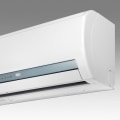
Ductless mini-split systems are gaining popularity due to their flexibility and efficiency. These systems consist of an outdoor compressor and one or more indoor units, allowing for zoned cooling.
With proper maintenance, ductless mini-splits can last up to 20 years. They are particularly beneficial in homes without existing ductwork, providing a cost-effective solution for targeted cooling.
3.Window Air Conditioners
Window air conditioners are compact units installed in windows or walls, suitable for cooling single rooms. Their average lifespan is around 10 to 15 years. While they are less expensive upfront, they may not be as energy-efficient as other options, leading to higher long-term costs.
4.Portable Air Conditioners
Portable air conditioners offer flexibility as they can be moved from room to room.
However, they generally have a shorter lifespan of about 5 to 10 years. While convenient, they may not provide the same level of cooling efficiency as fixed units.
5.Heat Pumps5.Heat Pumps
Heat pumps function as both heating and cooling systems, making them versatile for year-round use. Their lifespan is similar to that of central air conditioning systems, averaging around 15 years. When well-maintained, heat pumps can be a durable option for homeowners looking for energy-efficient climate control.
6.Split HVAC Systems
Split HVAC systems consist of an indoor unit and an outdoor compressor, similar to ductless mini-splits but typically designed for larger spaces.
These systems can last between 20 to 25 years, making them one of the most durable options available. Their complexity allows them to handle varying loads efficiently, contributing to their longevity.In summary, when considering the best AC units for longevity, it’s essential to evaluate not only the initial cost but also the expected lifespan and maintenance requirements of each type. Investing in a high-quality system with a longer lifespan can lead to significant savings over time.
Central Air Conditioning Systems
Central air conditioning systems are a popular choice for homeowners seeking efficient and effective cooling solutions. These systems typically have a lifespan of around 15 to 20 years , depending on various factors such as usage, maintenance, and the quality of the unit itself.Understanding the longevity of central AC systems can help homeowners make informed decisions when investing in their comfort.
Benefits of Central Air Conditioning
- Consistent Temperature Control: Central AC systems provide uniform cooling throughout the home, eliminating hot and cold spots that can occur with window units or portable air conditioners.
- Improved Air Quality: These systems often come equipped with advanced filtration systems that help remove dust, allergens, and other pollutants from the air, promoting a healthier indoor environment.
- Energy Efficiency: Modern central air conditioning units are designed to be energy-efficient, which can lead to lower utility bills compared to older models or less efficient cooling methods. Modern central air conditioning units are designed to be energy-efficient, which can lead to lower utility bills compared to older models or less efficient cooling methods.
- Quiet Operation: Central AC systems operate quietly, as the noisy components are located outside the home, allowing for a more peaceful indoor atmosphere.
Maintenance Tips for Central Air Conditioning Systems
To maximize the lifespan and efficiency of your central air conditioning system, regular maintenance is essential. Here are some key maintenance tips:
- Change Filters Regularly: Air filters should be checked monthly and replaced every 1-3 months, depending on usage. Clean filters improve airflow and efficiency.
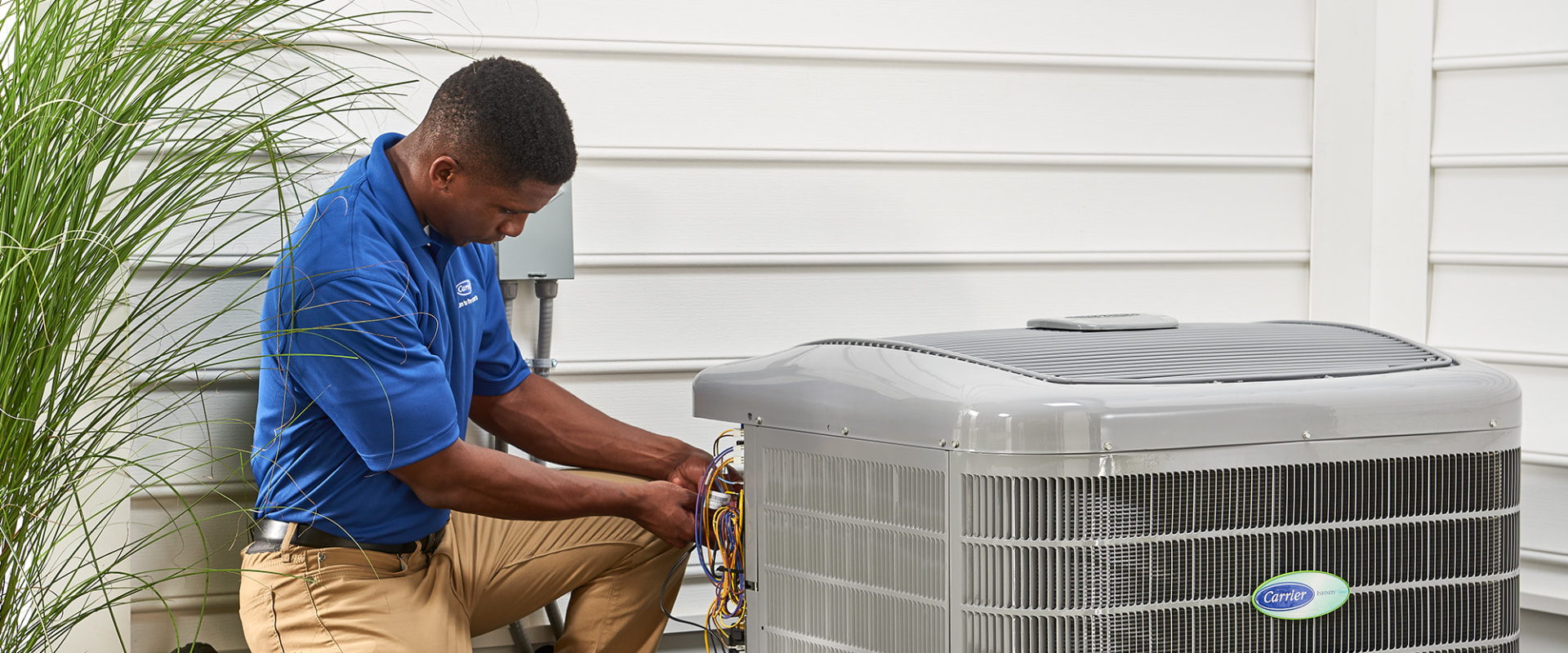
- Schedule Annual Inspections: Having a professional technician inspect your system annually can help identify potential issues before they become major problems. This includes checking refrigerant levels, inspecting electrical components, and cleaning coils.
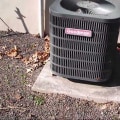
- Keep Outdoor Units Clear: Ensure that the area around your outdoor unit is free from debris, leaves, and vegetation.
This allows for proper airflow and prevents overheating.
- Check Ductwork: Inspect ductwork for leaks or blockages that can hinder performance. Sealing ducts can improve efficiency and comfort.
Ductless Mini-Split Systems
Ductless mini-split systems have gained popularity among homeowners for their impressive longevity and efficiency. These systems, which consist of an indoor unit and an outdoor compressor, can last up to 20 years with proper care.Their design allows for easy maintenance and repair, contributing to their extended lifespan.One of the primary advantages of ductless mini-split systems is their energy efficiency. Unlike traditional HVAC systems that rely on ductwork, mini-splits deliver conditioned air directly into individual rooms. This targeted approach not only reduces energy waste but also allows homeowners to control the temperature in different areas of the house, leading to significant savings on energy bills.In addition to energy efficiency, ductless mini-splits are known for their quiet operation. The indoor units are designed to operate at low noise levels, making them ideal for bedrooms, home offices, and other quiet spaces.
This feature enhances comfort without the disruptive sounds often associated with conventional air conditioning systems.
Maintenance Tips for Mini-Splits
To ensure that your ductless mini-split system reaches its maximum lifespan, regular maintenance is essential. Here are some key maintenance tips:- Clean or Replace Filters: The air filters in your mini-split should be cleaned or replaced every 1-3 months, depending on usage. Clogged filters can restrict airflow and reduce efficiency.
- Inspect the Outdoor Unit: Regularly check the outdoor compressor for debris such as leaves or dirt that can obstruct airflow. Keeping the area clear will help maintain optimal performance.
- Schedule Professional Maintenance: It’s advisable to have a qualified HVAC technician inspect your system at least once a year.
They can perform thorough cleaning and check refrigerant levels, ensuring everything is functioning correctly.
- Check for Leaks: Periodically inspect the refrigerant lines for any signs of leaks or damage. Addressing these issues promptly can prevent costly repairs down the line.
Heat Pumps: A Dual Functionality Approach
Heat pumps are increasingly recognized as a versatile solution for both heating and cooling needs in residential settings. Unlike traditional air conditioning units that solely cool the air, heat pumps can reverse their operation to provide warmth during colder months.This dual functionality not only enhances comfort but also contributes to energy efficiency, making them an attractive option for homeowners.When considering the lifespan of heat pumps , it is essential to note that they typically last around 15 years, similar to conventional air conditioning systems. However, with proper maintenance and care, many heat pumps can exceed this average lifespan, reaching up to 20 years or more. The longevity of a heat pump is influenced by several factors, including the quality of the unit, installation practices, and the frequency of maintenance.
Benefits of Heat Pumps
- Energy Efficiency: Heat pumps are known for their high energy efficiency ratings. They transfer heat rather than generate it, which can lead to significant savings on energy bills.
- Environmental Impact: By using less electricity compared to traditional heating systems, heat pumps contribute to a lower carbon footprint.
- Year-Round Comfort: With the ability to provide both heating and cooling, heat pumps eliminate the need for separate systems, simplifying home climate control.
- Space-Saving Design: Many heat pump models are compact and can be installed in various locations without taking up much space.
Maintenance for Heat Pumps
To maximize the lifespan and efficiency of a heat pump, regular maintenance is crucial.Here are some essential maintenance tips:
- Regular Filter Changes: Air filters should be checked monthly and replaced every 1-3 months to ensure optimal airflow and efficiency.
- Annual Professional Inspections: Schedule yearly check-ups with a qualified HVAC technician to inspect and service your heat pump. This can help identify potential issues before they escalate.
- Clean Coils: Keeping the evaporator and condenser coils clean is vital for efficient operation. Dust and debris can hinder performance and lead to increased energy consumption.
- Check Refrigerant Levels: Ensure that refrigerant levels are adequate; low levels can affect performance and lead to system damage.
Split HVAC Systems: The Long-Lasting Choice
When it comes to choosing an air conditioning system that offers both efficiency and longevity, split HVAC systems stand out as a premier option.These systems are designed with two main components: an indoor unit that distributes cool air throughout your home and an outdoor unit that houses the compressor and condenser. This separation not only enhances performance but also contributes to their impressive lifespan, which can range from 20 to 25 years with proper care.
Advantages of Split HVAC Systems
- Energy Efficiency: Split systems are known for their energy-saving capabilities. By allowing for zoned cooling, they enable homeowners to cool specific areas rather than the entire house, reducing energy consumption.
- Quiet Operation: The outdoor unit operates away from living spaces, resulting in quieter indoor environments compared to traditional window units or central air systems.
- Flexible Installation: Split systems can be installed in various configurations, making them suitable for homes without existing ductwork or those looking to upgrade their cooling solutions.
- Aesthetic Appeal: The indoor units are sleek and can be mounted on walls or ceilings, providing a modern look without the bulkiness of traditional systems.
Maintenance for Split HVAC Units
To maximize the lifespan of your split HVAC system, regular maintenance is essential. Here are some key practices:
- Regular Filter Changes: Air filters should be checked monthly and replaced every 1-3 months, depending on usage.
Clean filters improve airflow and efficiency.
- Annual Professional Inspections: Schedule a professional maintenance check at least once a year. Technicians can clean coils, check refrigerant levels, and ensure all components are functioning optimally.
- Clear Debris Around Outdoor Unit: Keep the area around the outdoor unit free from leaves, dirt, and other debris to ensure proper airflow and prevent overheating.
- Inspect Ductwork: If your split system is connected to ductwork, ensure it is sealed and insulated properly to prevent energy loss.
Factors Influencing AC Unit Longevity
The longevity of an air conditioning unit is influenced by a variety of factors, each playing a crucial role in determining how long your system will effectively cool your home. Understanding these factors can help homeowners make informed decisions about their AC units and maintenance practices.1.Climate Conditions
The environment in which your air conditioning unit operates significantly impacts its lifespan.
Units in regions with extreme temperatures, whether hot or cold, tend to experience more wear and tear. For instance:
- Hot and Humid Climates: In areas where temperatures soar and humidity levels are high, AC units work harder to maintain comfortable indoor conditions. This increased workload can lead to faster degradation of components.
- Cold Climates: Conversely, in colder regions, units may not be used as frequently, but when they are, they may struggle to heat efficiently if not designed for such conditions.
2.Maintenance Practices
Regular maintenance is essential for extending the life of your AC unit. Here are some key maintenance tips:
- Change Air Filters: Dirty filters restrict airflow and force the system to work harder, leading to potential breakdowns.
It’s advisable to check and replace filters every 1-3 months.
- Clean Coils: Both the evaporator and condenser coils should be kept clean to ensure efficient heat exchange. Dust and debris can accumulate over time, reducing efficiency.
- Annual Professional Inspections: Scheduling yearly check-ups with a qualified HVAC technician can help identify issues before they escalate into costly repairs.
3.Installation Quality
The initial installation of your AC unit is critical for its longevity. A poorly installed system can lead to numerous problems, including:
- Improper Sizing: An AC unit that is too small will struggle to cool your home, while one that is too large will cycle on and off frequently, both leading to premature wear.
- Poor Ductwork: Leaky or poorly designed ductwork can result in significant energy loss and strain on the system.
4.Usage Patterns
Your usage habits also play a role in how long your AC unit lasts. Overusing the system during peak summer months without giving it breaks can lead to overheating and mechanical failures.
Consider using programmable thermostats to optimize usage and reduce strain on the unit.In conclusion, understanding the various factors that influence the lifespan of an air conditioning unit is vital for homeowners looking to maximize their investment. By paying attention to climate conditions, adhering to regular maintenance practices, ensuring quality installation, and being mindful of usage patterns, you can significantly enhance the longevity of your AC system.
Choosing the Right AC Company for Installation and Maintenance
When it comes to ensuring the longevity of your air conditioning unit, selecting the right AC company for installation and maintenance is crucial. A reputable HVAC contractor can make a significant difference in the performance and lifespan of your system. Here are some key factors to consider when choosing an AC company:- Experience and Reputation: Look for companies with a solid track record in the industry.
Check online reviews, ask for references, and consider how long they have been in business. A well-established company is likely to have the expertise needed to handle various AC systems.
- Licensing and Insurance: Ensure that the AC company is properly licensed and insured. This protects you from liability in case of accidents during installation or maintenance. A licensed contractor also indicates that they meet industry standards.
- Certifications: Look for certifications from recognized organizations such as the Air Conditioning Contractors of America (ACCA) or North American Technician Excellence (NATE).
These certifications demonstrate a commitment to quality and ongoing education in the field.
- Comprehensive Services: Choose a company that offers a full range of services, including installation, maintenance, and repair. This ensures that you have a single point of contact for all your HVAC needs, which can simplify communication and service scheduling.
- Transparent Pricing: A reputable AC company should provide clear and detailed estimates before starting any work. Avoid companies that offer vague pricing or hidden fees, as this can lead to unexpected costs down the line.
An experienced technician will ensure that your system is installed according to manufacturer specifications, which can prevent issues such as refrigerant leaks or improper airflow.Moreover, regular maintenance performed by professionals can significantly extend the life of your air conditioning unit. Scheduled check-ups allow technicians to identify potential problems early on, perform necessary repairs, and keep your system running smoothly. This proactive approach not only enhances performance but also helps you avoid costly breakdowns in the future.In conclusion, investing time in selecting the right AC company is vital for both installation and ongoing maintenance. By prioritizing experience, licensing, comprehensive services, and transparent pricing, you can ensure that your air conditioning system remains efficient and durable for years to come.
Common Maintenance Practices to Extend Lifespan
Maintaining your air conditioning unit is crucial for ensuring its longevity and efficiency.By implementing a few simple yet effective maintenance practices, homeowners can significantly extend the lifespan of their AC systems. Here are some essential tips to keep your air conditioner running smoothly for years to come.
- Regular Filter Changes: One of the simplest yet most effective maintenance tasks is changing the air filters regularly. Clogged filters restrict airflow, making your AC work harder and less efficiently. Aim to check and replace filters every 1-3 months, especially during peak usage seasons.
- Clean the Coils: Both the evaporator and condenser coils can accumulate dirt over time, which can hinder their ability to absorb and release heat.
Cleaning these coils at least once a year can improve efficiency and prevent overheating. Use a soft brush or a vacuum with a brush attachment to gently remove dust and debris.
- Inspect the Drain Line: A clogged drain line can lead to water damage and increased humidity levels in your home. Regularly check the drain line for blockages and clear any debris. You can also flush the line with a mixture of vinegar and water to help prevent clogs.
- Check Refrigerant Levels: Low refrigerant levels can indicate a leak, which not only affects cooling efficiency but can also damage the compressor.
Have a professional technician check refrigerant levels during annual maintenance visits to ensure optimal performance.
- Schedule Professional Maintenance: While there are many maintenance tasks you can handle yourself, scheduling annual professional inspections is essential. A qualified technician can perform comprehensive checks, identify potential issues early, and ensure that your system is operating at peak efficiency.
- Keep Outdoor Units Clear: Ensure that the area around your outdoor unit is free from debris, leaves, and vegetation. This allows for proper airflow and prevents overheating. Trim back any plants or shrubs that may obstruct airflow.
- Monitor Thermostat Settings: Using a programmable thermostat can help maintain consistent temperatures without overworking your AC unit.
Set it to adjust temperatures when you’re not home to reduce energy consumption and wear on the system.
Conclusion: Making an Informed Decision for Longevity
In summary, selecting the right air conditioning unit is crucial for ensuring longevity and optimal performance. Throughout this article, we have explored various types of AC units, their expected lifespans, and the factors that influence their durability. Understanding these elements can empower homeowners to make informed decisions that will benefit them in the long run.To recap, here are the key points regarding the best AC units for longevity:- Split HVAC Systems: These systems stand out with a lifespan of 20 to 25 years, thanks to their robust design and efficient operation. Their ability to handle wear and tear makes them a reliable choice for homeowners looking for long-term solutions.
- Ductless Mini-Split Systems: Offering a lifespan of up to 20 years, these systems are not only efficient but also easier to maintain.
Their design allows for flexibility in installation and operation, making them an excellent option for various home layouts.
- Heat Pumps with Central Air Source: With a lifespan of around 15 years, these units are known for their energy efficiency. Proper maintenance can extend their life, making them a viable option for many households.
- Individual Residential Units: Typically lasting between 12 to 15 years, these units can still provide reliable cooling if maintained properly. Regular check-ups and servicing can help maximize their lifespan.
Proper maintenance
plays a pivotal role in extending the life of any air conditioning system.Homeowners should prioritize regular maintenance tasks such as changing air filters, cleaning coils, and scheduling annual inspections with qualified HVAC professionals. These practices not only enhance efficiency but also prevent minor issues from escalating into costly repairs.Ultimately, when investing in an air conditioning unit, consider both the initial cost and the long-term benefits associated with durability and maintenance requirements. By making an informed decision based on the insights provided in this article, you can select an AC unit that not only meets your immediate cooling needs but also stands the test of time.